QUALITY ADVISORY BOARD
Some initiatives arise from a need that can no longer be overlooked.
When working with young people in the fields of sport, international encounters and non-formal education, meaningful situations emerge. They cannot always be planned or precisely repeated, yet they have the power to shape perspectives, attitudes and relationships.
The question is not whether these moments will occur. The question is what we are able to do with them.
If projects are to create genuine impact, organising activities alone is not enough. They require a clear framework, professional guidance, reflection and the ability to transform experience into learning.
The Quality Advisory Board was established in response to this need.
It is a space where practical experience meets professional expertise. It provides a foundation that gives projects direction, depth and continuity. It is also a tool for systematically improving the quality of work with young people.
Mission and purpose
The Quality Advisory Board creates a framework in which projects are developed deliberately rather than by chance.
- improving the quality of educational activities
- bringing new perspectives and inspiration
- connecting different areas of professional expertise
- supporting innovation
- creating outputs with long-term value
It also responds to a practical reality: no organisation possesses every area of expertise on its own.
The Board therefore brings together people who contribute these capabilities. Each member brings their own expertise, experience and perspective. Together, however, they create something greater: the ability to understand situations in context and develop them further.
PROFESSIONAL OPERATING FRAMEWORK
The dual role of the Quality Advisory Board
1. The Board as a professional platform
At this level, the Board serves as a long-term source of professional expertise.
It focuses on:
- monitoring and interpreting trends in non-formal education
- working with methodologies used in EU Erasmus+ projects
- developing new forms of youth participation
- initiating projects, partnerships and cooperation
- creating professional frameworks for new programmes
- developing new forms of non-formal education for different age groups
- designing and developing methodologies based on experience, play and interaction
- initiating cooperation with city districts, local authorities and public institutions
- preparing conceptual programme proposals for youth work outside formal education
At this level, the Board actively contributes to creating solutions rather than merely evaluating them.
2. The Board within individual projects
Within specific projects, the Board assumes a clearly defined methodological and quality-focused role.
It contributes to:
- designing the methodology and learning process
- assessing the quality of activities
- supporting participant reflection
- interpreting experiences
- creating professional outputs
- preparing publications and professional events
- designing and delivering workshops for young people
- preparing short educational formats, including workshops, learning blocks and interactive activities
- integrating playful and experiential elements into the learning process
- expanding opportunities for participant involvement beyond mobilities and placements
At this level, the Board acts as a partner in creating quality, not as a supervisory body.
Connecting both levels
The professional platform and the project-based level complement one another.
- experience gained through projects is analysed and developed further
- professional knowledge is transferred back into practice
This creates a continuous process of learning and development.
Composition and professional expertise
The Quality Advisory Board brings together experts from a range of fields:
- pedagogy and non-formal education
- communication and language
- culture, ethnology and social sciences
- inclusion and work with diverse groups
- group dynamics and facilitation
- sport and youth work
- project management and evaluation
Each member contributes their own specialisation. Together, they create the capacity to respond to complex situations.
What it means to be a member
Being part of the Quality Advisory Board means:
- contributing a professional perspective
- helping shape the direction of projects
- contributing to the quality of project outputs
- being part of a process with genuine impact
It is not a formal position. It is active participation.
Outputs of the Quality Advisory Board
The work of the Quality Advisory Board is reflected in concrete outputs with both practical and professional value.
These include in particular:
- methodological recommendations for project implementation
- proposals and adaptations of educational activities
- the development of workshops and educational programmes for young people
- the creation of short educational formats, including interactive sessions, training activities and thematic workshops
- the use of games and experiential approaches as learning tools
- the development of methodologies and educational models for different age groups
- professional materials and publications
- content and materials for symposia, workshops and discussions
- recommendations for cooperation with local authorities, schools and institutions
- proposals for new programmes and platforms in non-formal education
These outputs ensure that activities do not remain isolated, but instead become a foundation for further development and wider use.
Application in practice
One of the projects in which this approach is applied is BEYOND BORDERS, TOGETHER.
The project works with what emerges between young people: communication, differences, reactions and real-time situations.
The Quality Advisory Board helps ensure that these moments do not remain unnamed, but become part of a meaningful learning and development process.
Conclusion
The Quality Advisory Board was not established simply to become part of a project.
It was established to ensure that projects have genuine meaning.
CTA
Would you like to become involved or learn more? We will be pleased to introduce the available opportunities for cooperation.
Members of the Quality Advisory Board
The Quality Advisory Board brings together people from different areas of education, youth work, communication and project development. Each member contributes their own experience, perspective and professional background, helping to create projects with long-term relevance and genuine impact.
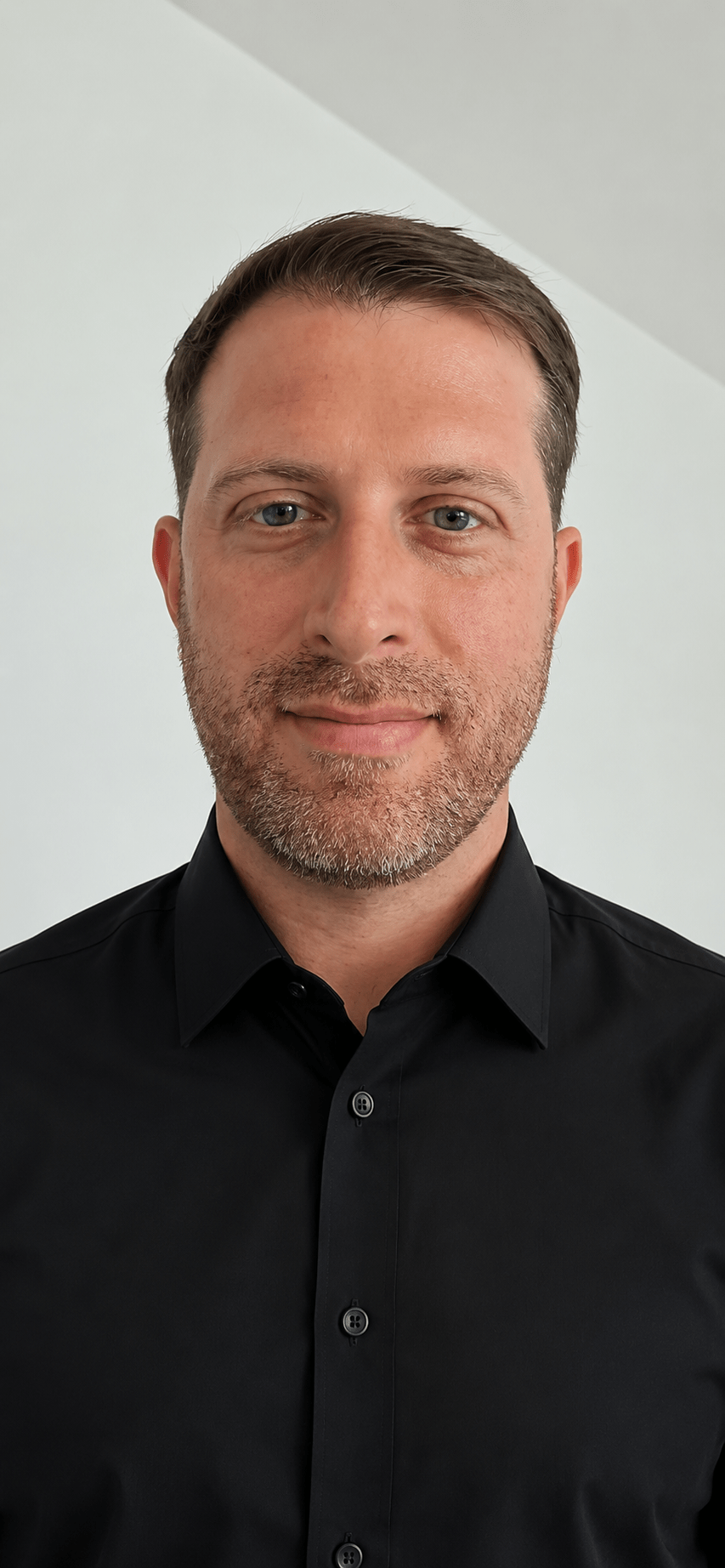
Rastislav Sekerka
Rastislav Sekerka oversees the organisational and strategic direction of the Quality Advisory Board. He connects its individual members, coordinates their roles, welcomes new experts and creates space for new ideas, projects and forms of cooperation.
Within WM Gavalier, he is responsible for linking the Board with upcoming projects, ensuring their methodological grounding and making sure that professional recommendations are transformed into concrete activities, outputs and solutions with long-term value.
As a facilitator of non-formal education, he also contributes to the preparation of educational activities, games, reflection processes and programme blocks for young people.
His role is to keep the whole process connected: the idea, the people, the process and the outcome.
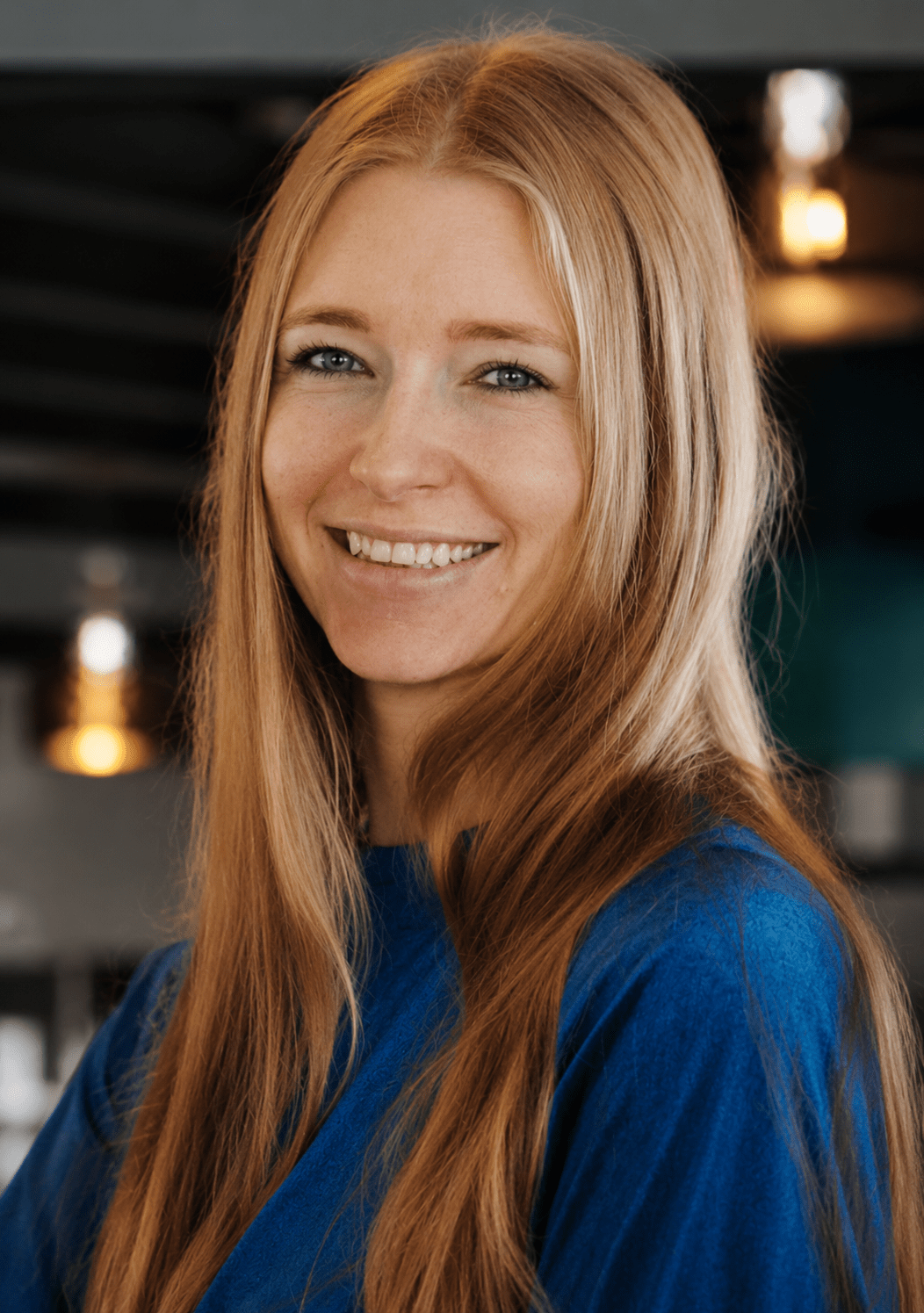
Ivana Janoštiaková
Within the Quality Advisory Board, Ivana Janoštiaková focuses on the preparation and delivery of non-formal education activities.
She contributes to the development of games, interactive learning blocks and reflection activities that help young people transform experience into learning, cooperation and understanding.
Her role is practical and participant-centred: she helps create activities that are clear, engaging and meaningful, giving structured content to learning outside formal education.
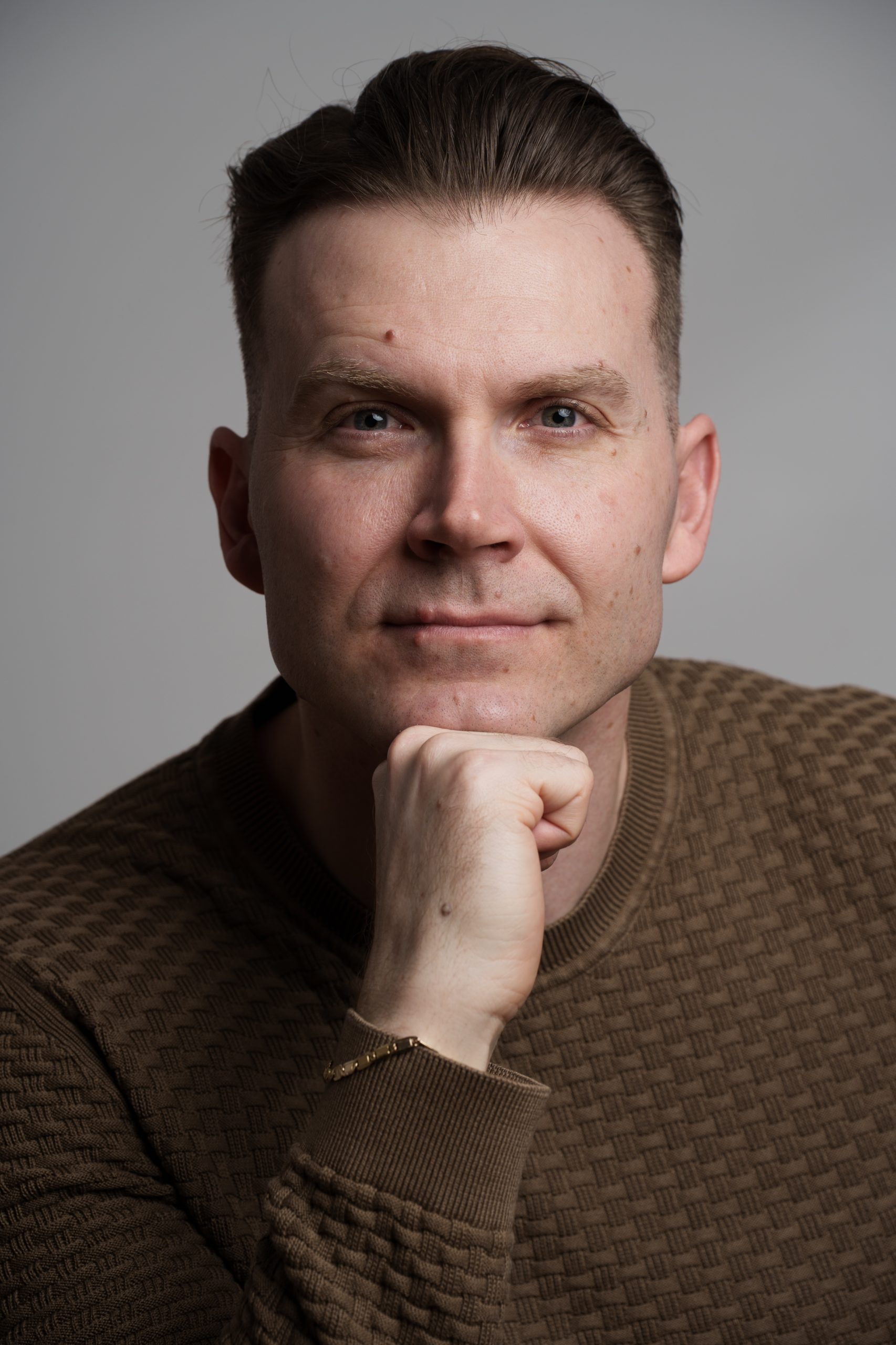
Michal Szalay
Within the Quality Advisory Board, he focuses on the quality and organisation of international mobilities, placements, workshops, symposia, professional meetings and other project activities. His work covers areas such as accommodation standards, transport, catering, mobility logistics, participant reception, service provision and the overall delivery of activities, helping ensure that projects are implemented professionally, safely and without unnecessary complications.
He draws on experience in hospitality, services and mobility organisation, which enables him to assess service quality, cooperation opportunities and reliable solutions connected with the implementation of international projects, placements and professional events.
His advisory role also includes consultations on contractual, insurance-related and practical matters connected with project delivery, as well as facilitating communication with legal professionals when needed.
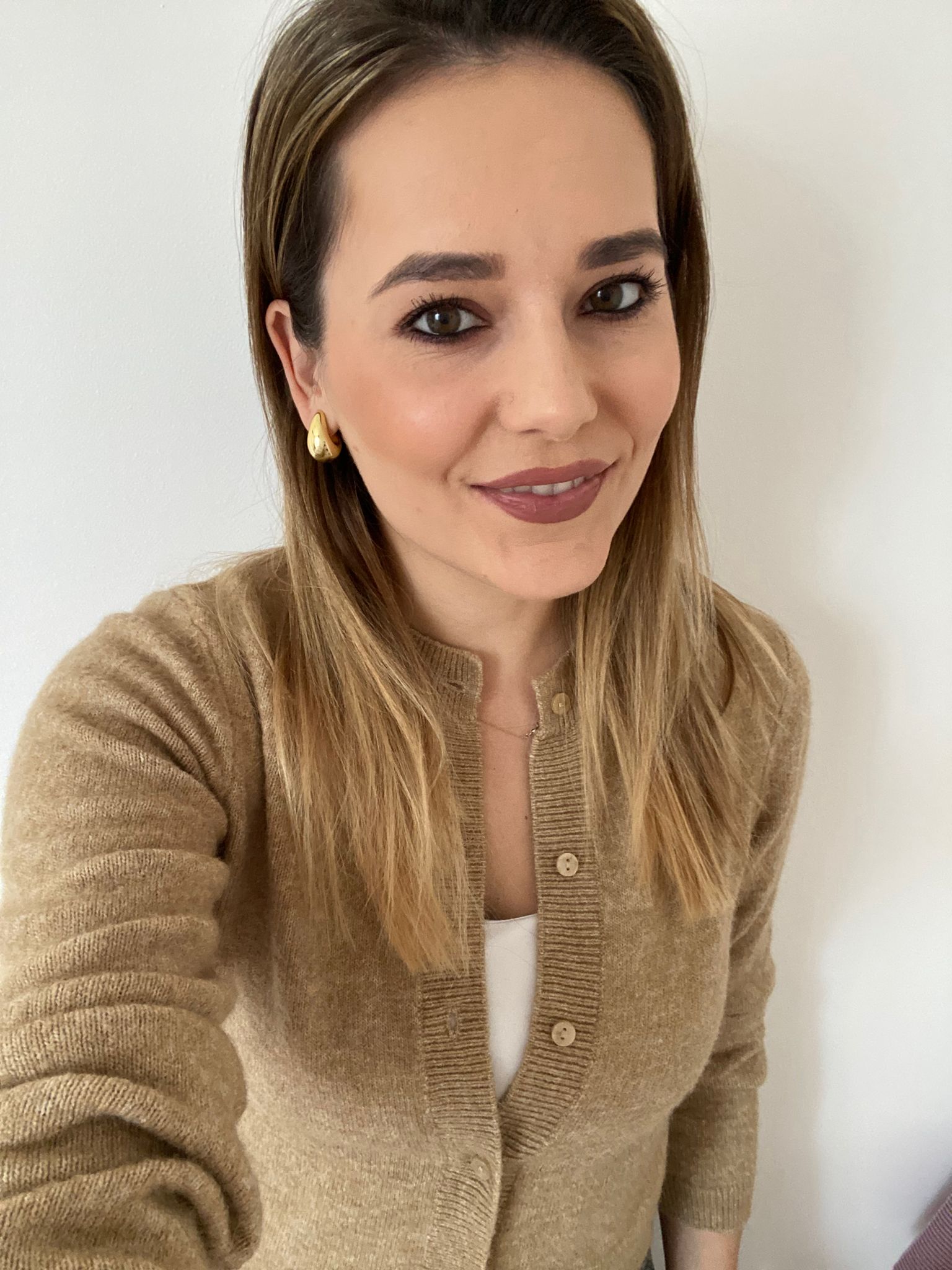
Lucia Václavíková
Within the Quality Advisory Board, she focuses on designing inclusive project activities, mobilities, workshops, symposia and professional events so that participants facing social, health-related, financial, communication or personal barriers can actively take part.
She builds on her experience at a primary school, where she works with children with special educational needs and helps create suitable conditions for their participation in educational, project-based and residential activities. Her work focuses on creating safe environments, promoting respectful communication, applying an individual approach and developing practical solutions that remove barriers to participation.
She holds a Bachelor's degree in Special Education from the Faculty of Education at Comenius University and continues her studies in this field while combining academic knowledge with practical experience in inclusive education.
She also contributes to the methodological development of inclusive project principles, ensuring that inclusion becomes a genuine and practical part of project implementation rather than remaining only a formal requirement in project documentation.
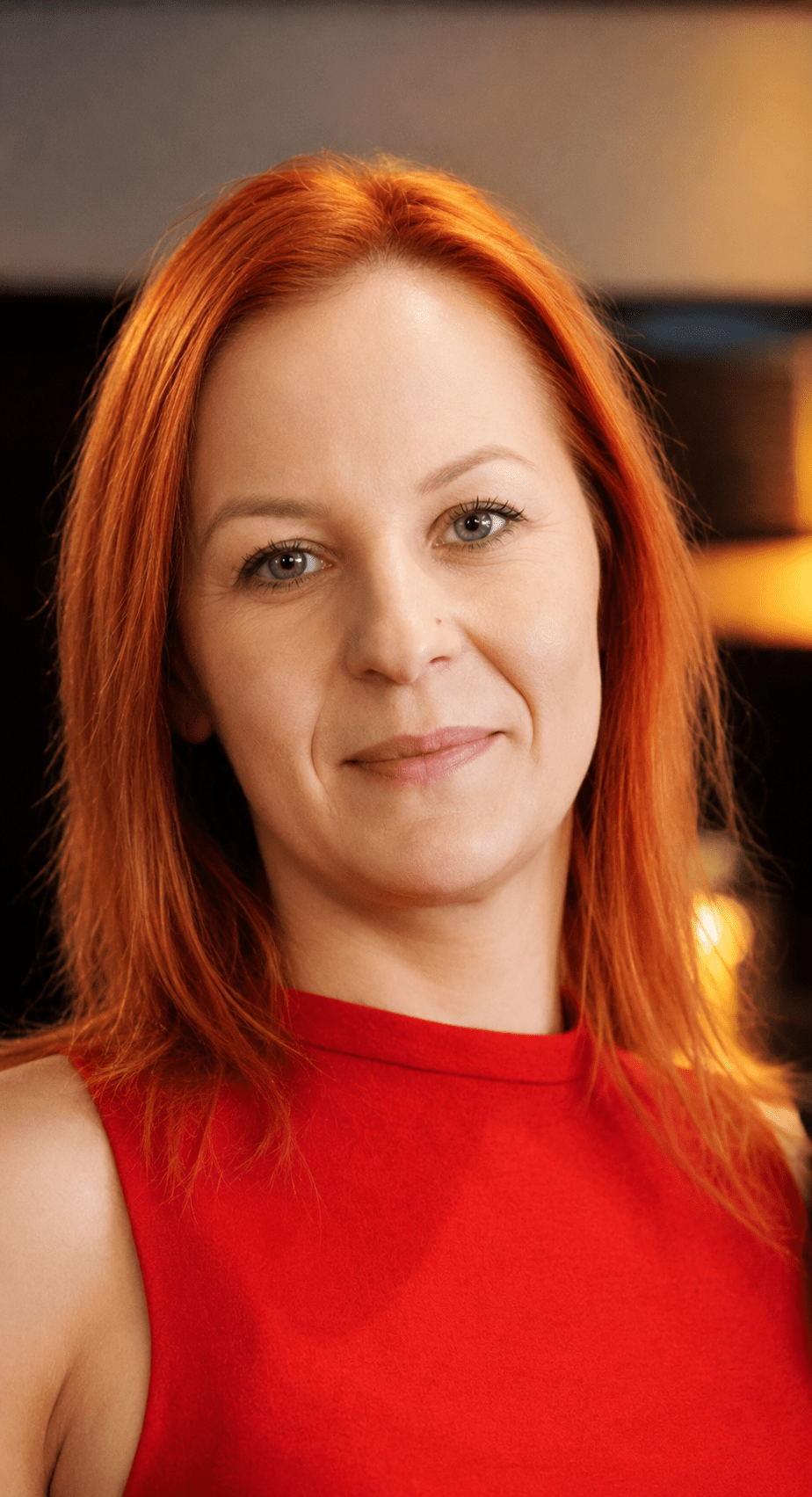
Denisa Slobodníková
Within the WM Gavalier Quality Advisory Board, she focuses on healthy lifestyles, mental well-being, personal development and meaningful interpersonal communication. She has a long-term interest in supporting psychological well-being, personal growth and creating environments where young people can safely develop and gain new experiences.
She has completed several professional training programmes in wellbeing, nutrition, respectful communication and holistic approaches to personal development. Her work is based on empathy, an individual approach and the promotion of healthy interpersonal relationships.
She is also actively involved in topics related to respectful parenting, communication with children and fostering healthy family and community environments. She focuses on practical principles that help create safe, trusting and inspiring environments for the personal development of young people.
Within project activities, she provides consultation primarily in the areas of mental well-being, participant support and creating environments that encourage active participation, self-confidence and positive interpersonal relationships.
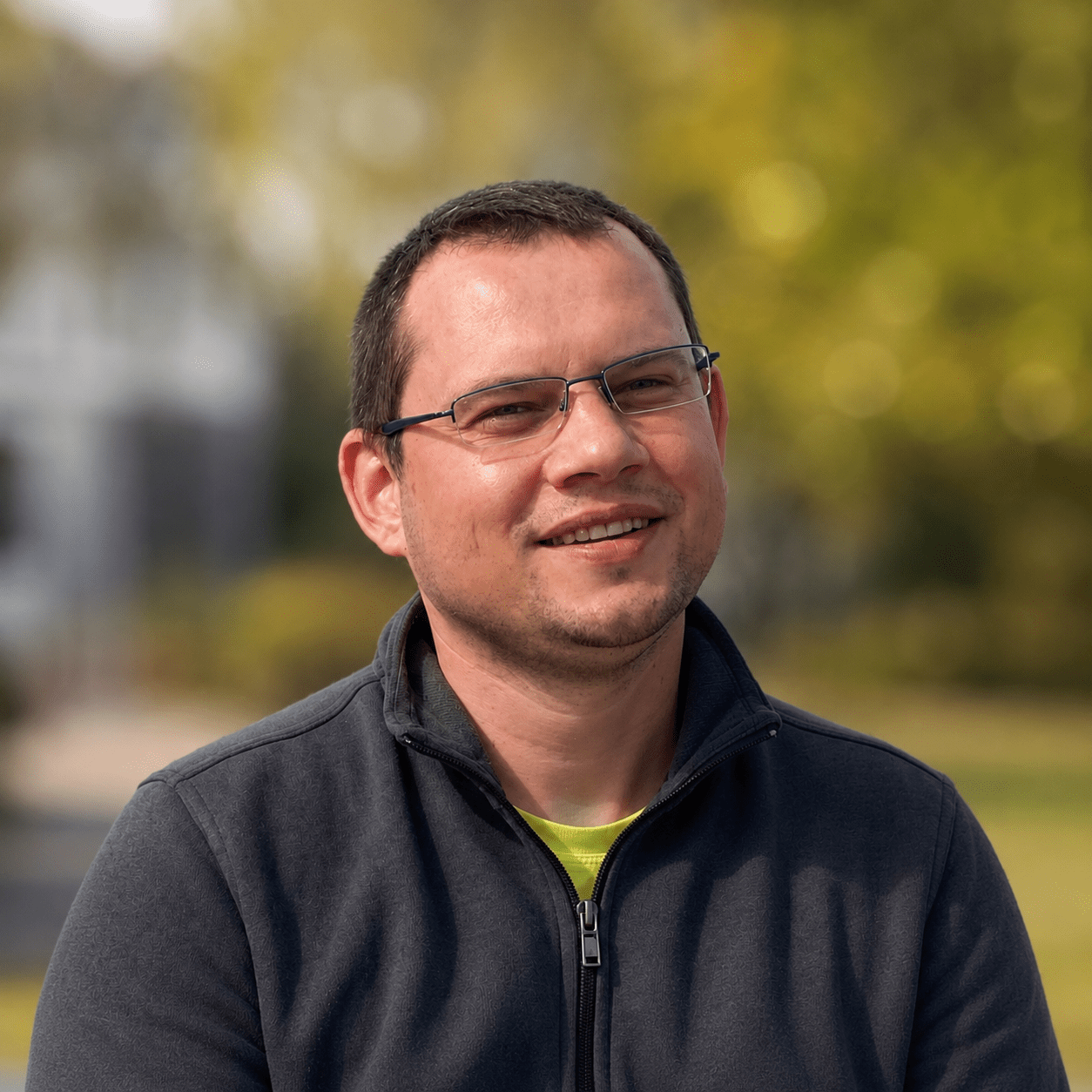
Tomáš Kováčik
He has worked for many years in the development of web applications, information systems and online services. Throughout his professional career, he has contributed to technological solutions for media organisations, commercial companies, hotel management systems, e-commerce platforms and large-scale information systems. He has more than two decades of experience in web technologies and software development.
Within the WM Gavalier Quality Advisory Board, he focuses on the development of digital applications, interactive games and online platforms that support education, personal development and international cooperation among young people.
Together with other members of the Quality Advisory Board, he contributes to the development of a digital platform for young people. The platform uses interactive games, quizzes and non-formal education principles to help young people discover their interests, strengths, countries, cultures and international development opportunities.
He collaborates with experts in ethnology, history, sociology, inclusion, personal development, communication, language education and non-formal education to develop the project's methodology. Together they create an interdisciplinary system that helps young people better understand their interests, strengths, cultures and opportunities for personal growth within the European context.
One of the main goals of the planned applications and games is to enable young people to explore, in an engaging and natural way, which countries, cultures, activities and educational pathways suit them best and where they can develop their full potential.
His role is to transform the professional knowledge of the Board into practical applications, interactive games and digital platforms that can be used in youth work.
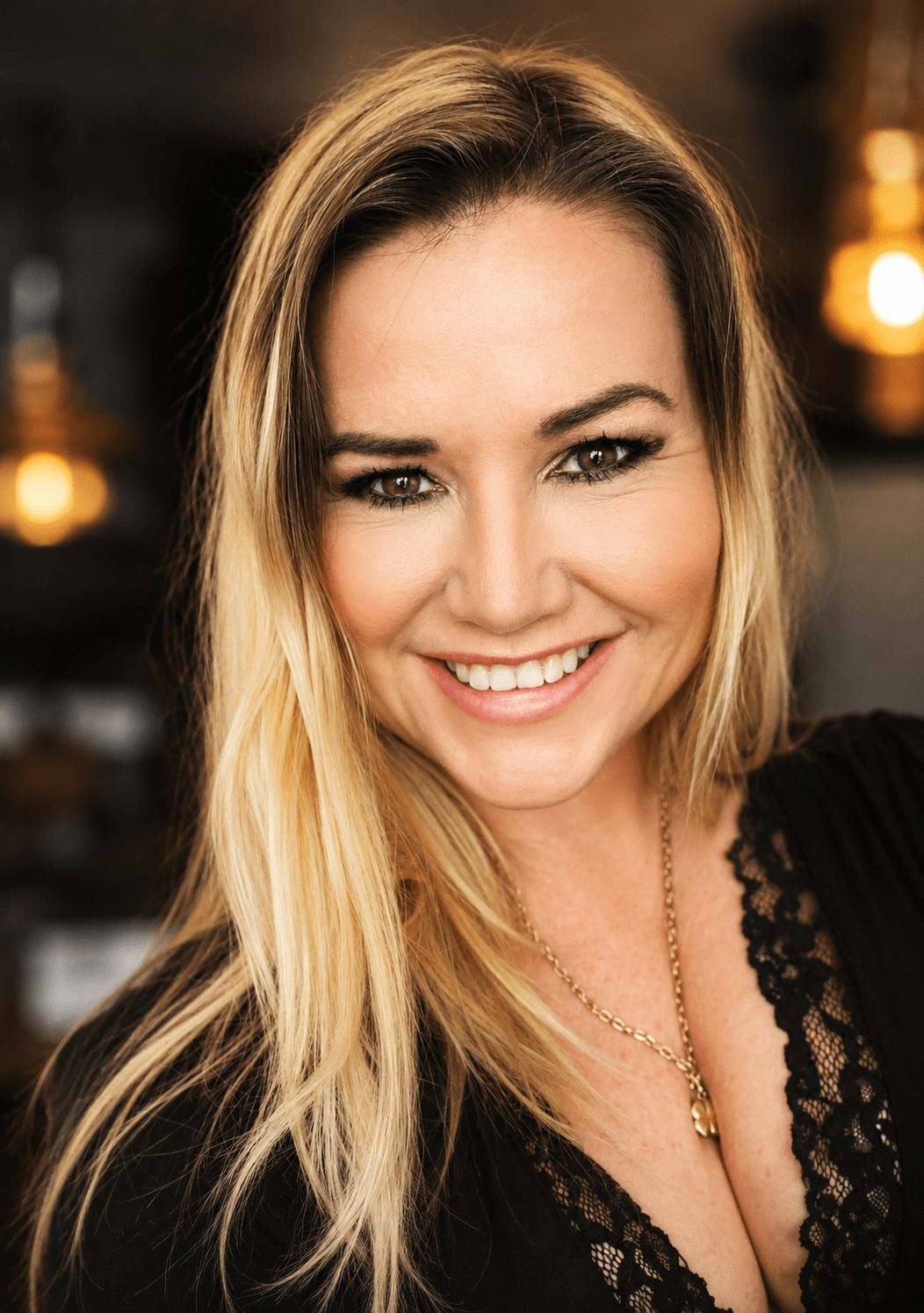
Zuzana Haasová
Zuzana Haasová is a Slovak actress, founder of the HAAF School of Arts and a long-standing facilitator of creative activities for children and young people.
Within the WM Gavalier Quality Advisory Board, she brings expertise from the fields of theatre, arts education and creative work with children and young people. She contributes to the development of projects and methodological concepts focused on creativity, communication, storytelling, public speaking, teamwork and personal development.
Through theatre, storytelling and creative activities, she helps create projects that encourage young people to explore different perspectives, develop empathy, strengthen cooperation and better understand people with different experiences, opinions and life stories. Theatre is not only about performing on stage—it is also about learning to see the world through someone else's eyes.
Many people still associate theatre mainly with memorising scripts, performing on stage and presenting a finished performance. Its educational value, however, goes much deeper.
Theatre is not the destination—it is a tool. In her work with children, young people and adults, she often finds that the greatest barriers are not a lack of talent or ability, but uncertainty, fear, self-doubt or the feeling of having lost one's direction. She therefore strives to create an environment where people can discover their strengths, build confidence and gradually find the courage to express their talents, ideas and personalities. She believes that creativity, communication, cooperation and personal growth develop through authenticity, trust and the freedom to be oneself. Children often remind us that the most important things are also the simplest.
She also brings the experience gained through the HAAF School of Arts into WM Gavalier projects, helping to connect culture, art, education and human relationships. She contributes creativity, experiential learning and an environment where different talents, experiences and life stories can meet, inspire one another and grow together.